
RESIDENTIAL GUIDE
Exterior Woodwork: Questions to Ask About Repair or Replacement
Repair and replacement proposals may describe different work. Start with the feature you want addressed, the appearance you hope to keep and the questions each contractor needs to answer.
A practical answer
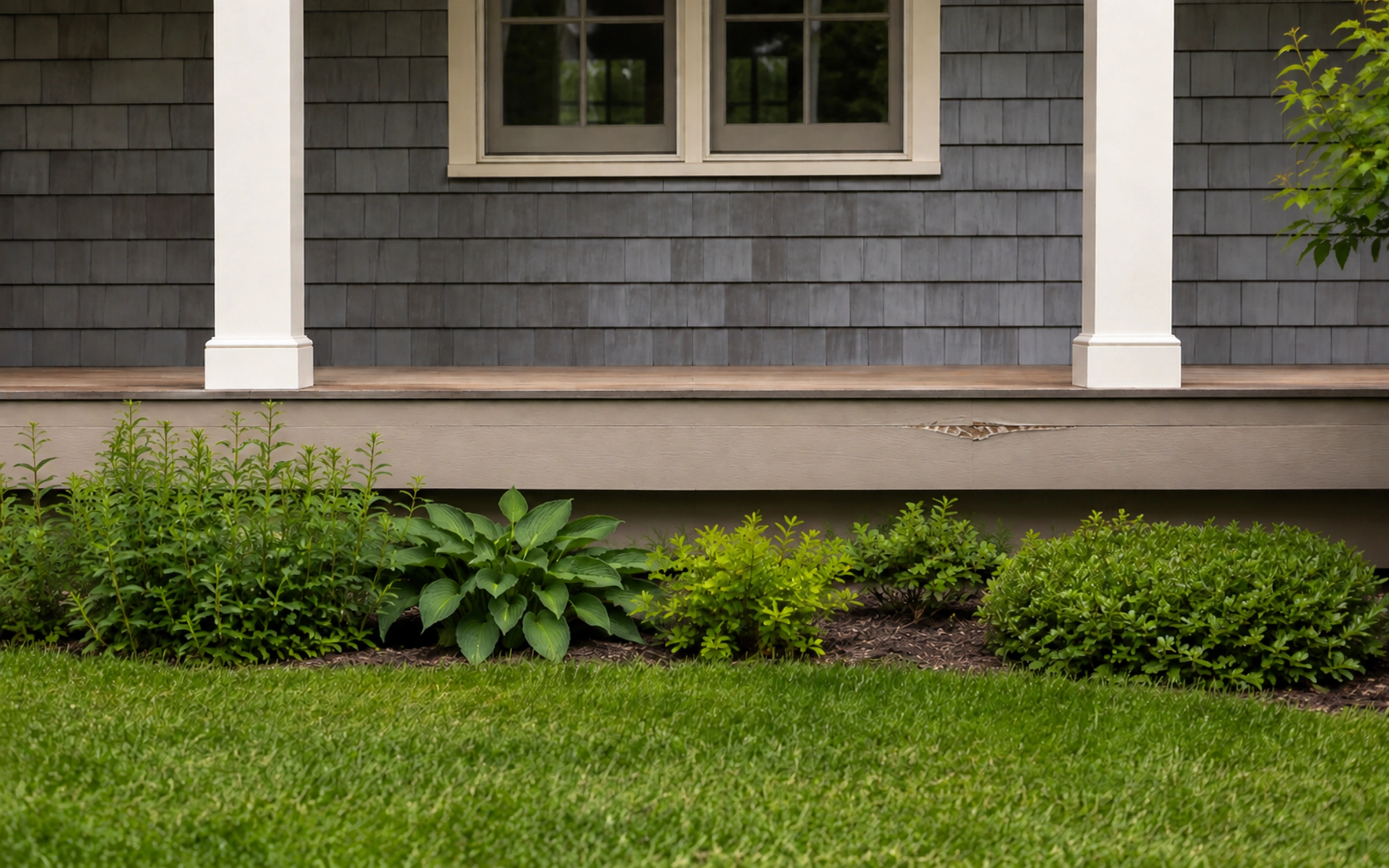
Ask what each option includes, what would stay, what would change and which questions remain open. Compare those answers before comparing prices. You do not need to diagnose the wood or select a repair method to make a useful inquiry.
Describe the feature you want to discuss
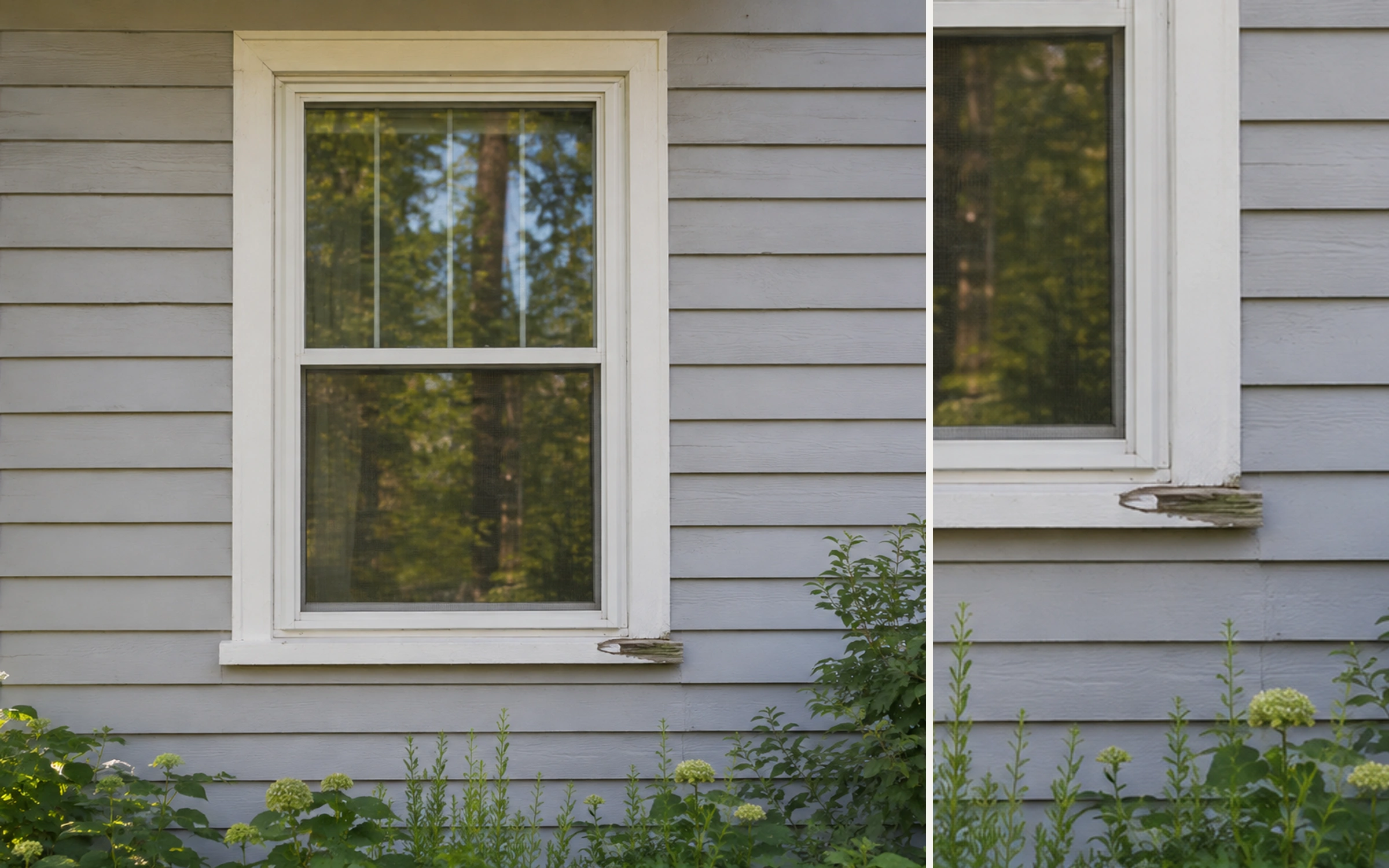
Is the concern window trim, a porch detail, fascia or another exterior feature? Describe where it is and what you would like addressed. The everyday name is enough to start; an existing photo can help explain which part you mean.
A written description is enough for the first inquiry. Do not climb, remove parts or test the wood to supply more detail. If you have a safety concern, seek a qualified assessment rather than using a proposal checklist to decide whether an area is safe.
Separate known history from questions to resolve
| Information you can share | Keep this question open | Ask the contractor |
|---|---|---|
| The exterior feature you want addressed | Whether all or part is included. | Which exact components would your price include? |
| Past work or recurring concerns | Whether that history changes the proposed scope. | What must be clarified before an option is proposed? |
| Photos or a note about adjoining finishes | How surrounding work is treated in the proposal. | What would stay, what would change and who handles the finish? |
| The appearance you want to retain | Whether the product offers that appearance. | Can you explain the material choice and show the finish direction? |
“This area was repaired last year and now looks different again” is useful history. Share it without assigning a cause. It helps frame questions, not select a repair method from a description or photo.
Compare what repair and replacement proposals include
Ask what would remain under the repair option and what the replacement option includes. Request a clear description of the component limits, adjoining finishes, preparation and work assigned to someone else.
If the proposals cover different responsibilities, ask for that difference to be explained before comparing totals. Which unanswered question could change the option or price? A shorter description is not necessarily a more complete scope.
- What exact component and extent are included?
- What must the contractor confirm before recommending an option?
- Which adjoining materials or finishes are affected?
- Who owns removal, preparation, finishing and work by other trades?
- How would a new issue be explained and a scope change agreed?
Ask for the reason behind the material choice
Ask for the product name, why it is proposed and what finishing is included. Who confirms the manufacturer’s requirements? What maintenance information will you receive? These questions compare proposals without selecting a material on the contractor’s behalf.
The USDA Wood Handbook explains wood and wood-based materials. Use it for background on terms that come up in conversation—not to select a repair method or judge your home’s condition.
Clarify who handles questions beyond the quoted work
Ask whether the proposal leaves any questions for another professional and who will coordinate that conversation. A carpentry quote should not be read as an assessment of every adjoining building system. Keep unresolved responsibilities visible in the written scope.
For a pre-1978 home, EPA recommends a lead-safe certified contractor for renovation work. Ask who will address existing painted surfaces if they are part of the proposed job. Leave the finish undisturbed while arranging that conversation.
Prepare a short, factual project summary
Include the property location, feature, appearance you want to keep and known repair history. Note access limits and ask how to share existing photos. This summary needs no inspection or testing.
This guide concerns exterior woodwork such as trim and porch details. Deck platforms, deck stairs and deck railings require their own scope review; do not treat a trim-repair discussion as a deck assessment.
YOUR NEXT STEP
Ready to discuss your exterior woodwork?
Tell Primo Carpentry LLC which feature you want addressed, where it is and what you want to retain. Start with scope questions; you do not need to choose a repair method before getting in touch.