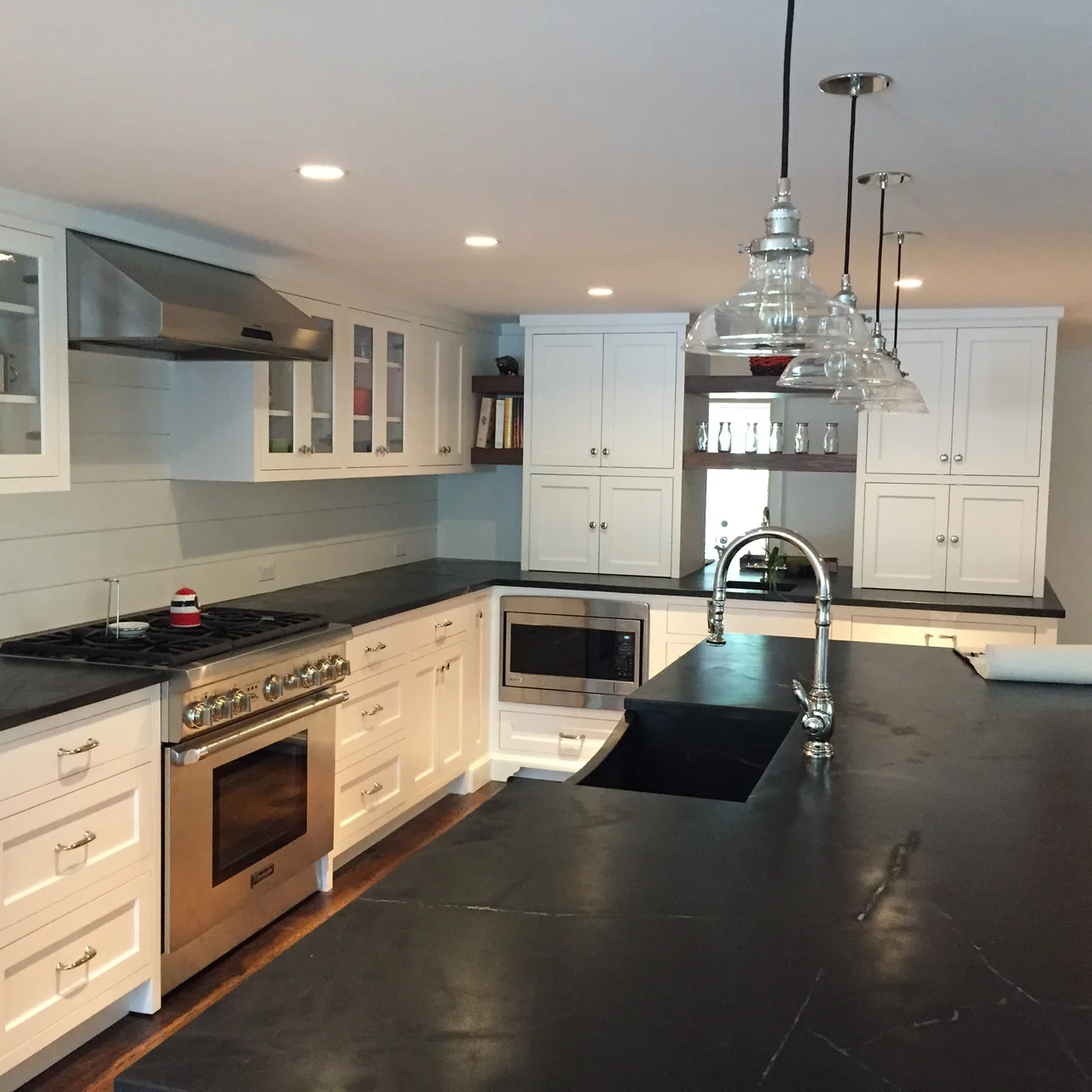
Home projects
Residential Carpentry
Carpentry planned around the home, its existing finishes and the people who live there.
Explore Residential Carpentry
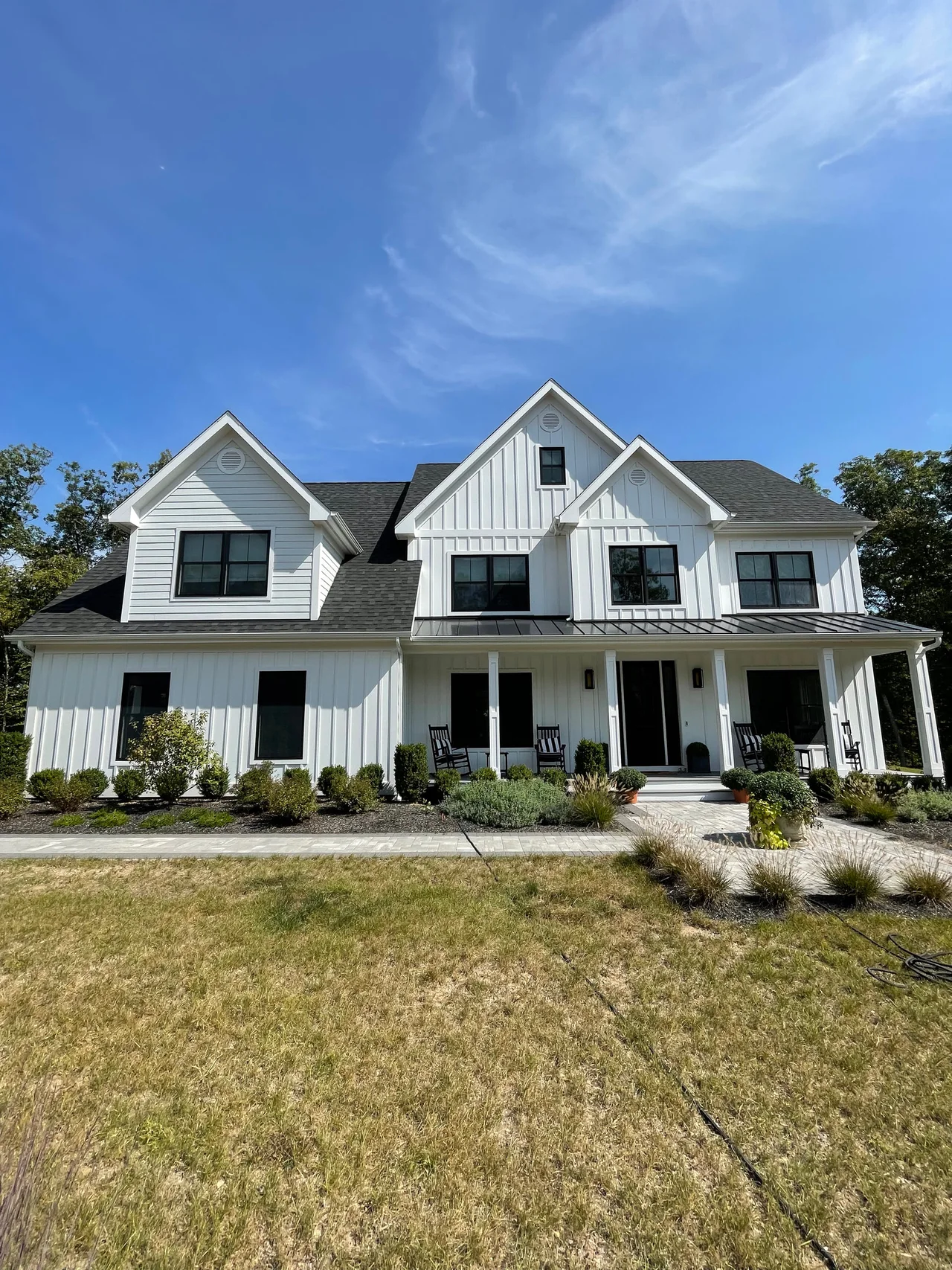 Residential carpentry
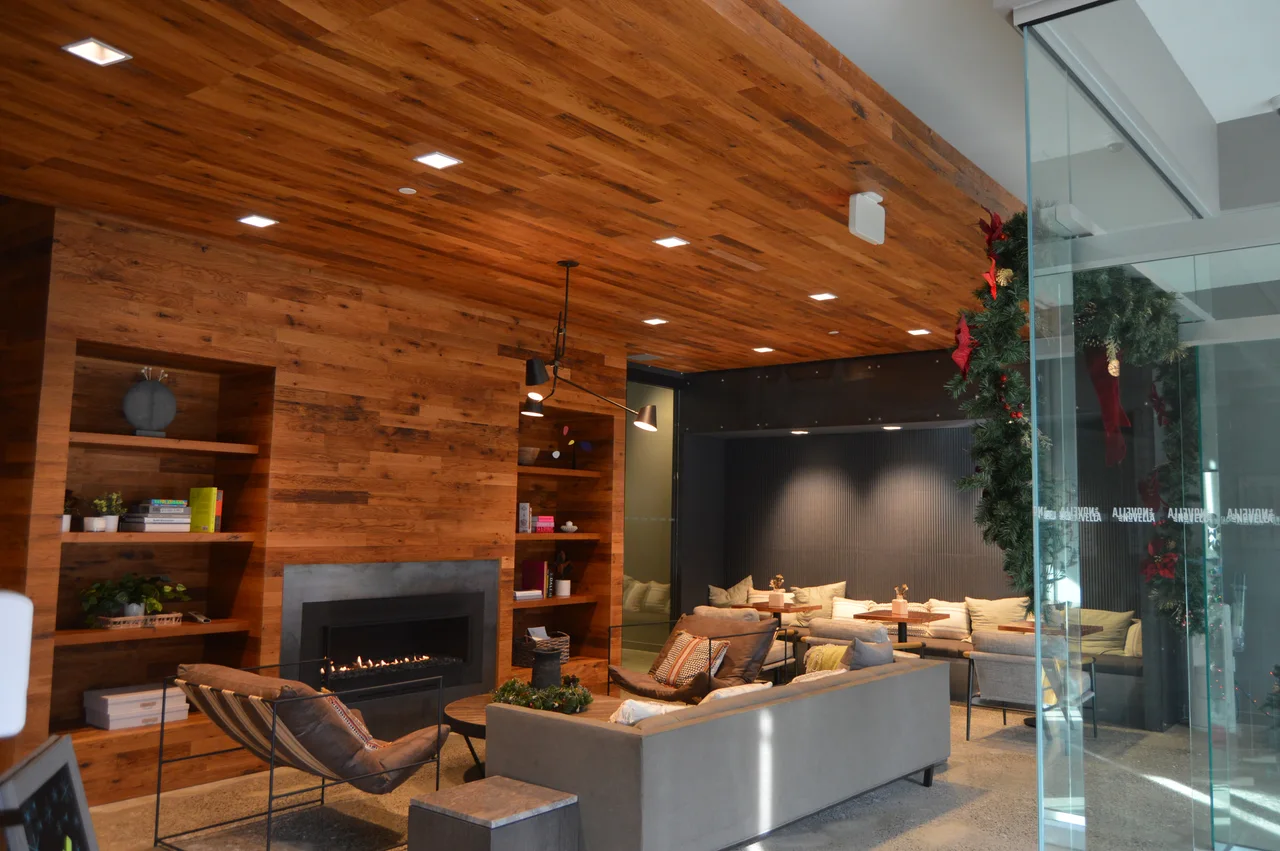 Commercial carpentry
 CT
CTPrimo Carpentry LLC · Fairfield County, CT
Find the right carpentry services for your property. Choose your community or share the complete project address, scope and timing with Primo.
Fairfield County Communities
Find your project location below and explore carpentry services for your community. Your complete address helps Primo review the work, availability and the next step.
Another Fairfield County community? Share your full address and the carpentry you have in mind.
Ask About Your AddressOne County, Two Project Environments
From a home’s finishing details to a coordinated commercial site, the property shapes how the work is planned.
Home projects
Carpentry planned around the home, its existing finishes and the people who live there.
Explore Residential CarpentryBusiness & property projects
Carpentry planned around the working site, the agreed scope and operational requirements.
Explore Commercial CarpentryCarpentry Services Across the County
Explore the work you need, from detailed finishing to built-ins and project carpentry. Each service page explains the scope and what to consider before getting started.
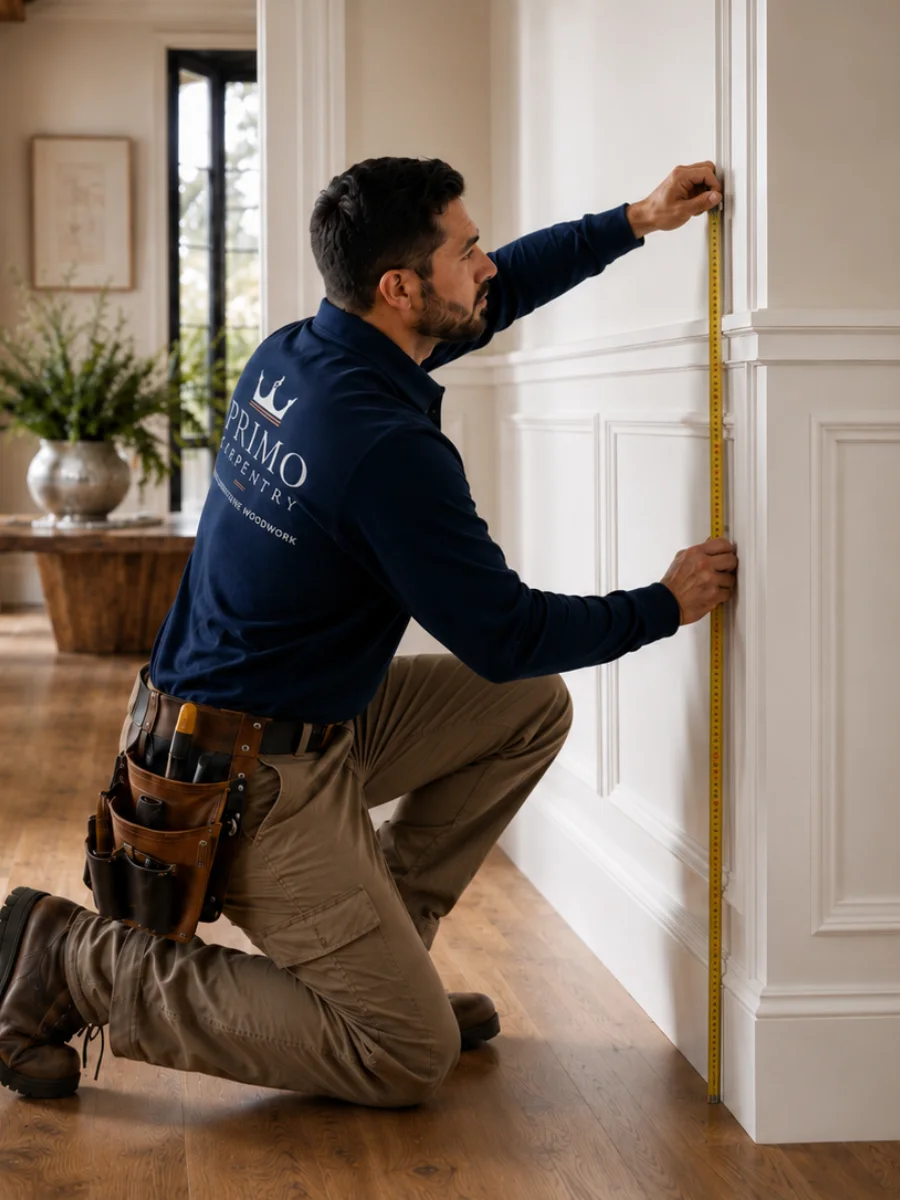
Projects in the same county can require different access, protection and coordination. Primo uses the complete address and project details to review what the work actually needs.
The address, parking, delivery path, stairs and occupied areas help shape the review.
Visible conditions and adjoining finishes are reviewed before the proposed scope is finalized.
Planning changes between an occupied home, an active business and a coordinated project site.
The written scope identifies the proposed work, relevant boundaries and the next approved step.
FAIRFIELD COUNTY PROPERTIES
Fairfield County includes historic neighborhoods, modern homes and commercial spaces with very different demands. The right carpentry choice depends on what is already there, how the space is used and what the materials will face—not the town name alone.
Fairfield’s historic districts and New Canaan’s modern houses illustrate why one trim style does not fit every home. Existing profiles, proportions and finishes should guide new work. Where historic protections apply, confirm the review requirements before changing exterior details.
Which details should stay, and can we compare a sample before ordering?
Near Long Island Sound, salt exposure and repeated wetting can affect material and fastener choices. Repairable wood and replacement trim deserve a side-by-side review. PVC may suit some nonstructural trim, but it needs its own movement details and may not suit protected historic features.
What addresses the moisture source, and why does this material fit this location?
Away from the shore, moisture still matters. Wood responds to indoor humidity, so built-ins and trim need material choices suited to the room and conditions at installation. Compare solid wood and panel-based options for the intended finish, use and maintenance—not appearance alone.
What existing material are we matching, and how will room conditions affect the new work?
A stair, hallway or room project can affect daily access. Agree on work areas, deliveries and which routes must remain usable. For work disturbing painted surfaces in a pre-1978 home, ask about lead-safe requirements and the contractor’s applicable certification before work begins.
Which parts of the home can remain in use during each stage?
Norwalk’s historic commercial buildings are a reminder that a refreshed interior and an altered storefront are different decisions. Existing openings, trim and signs may need separate review. Confirm landlord requirements and any applicable local approvals before choosing replacement details.
Which existing features stay, and who approves changes before fabrication?
Reception desks, retail displays and office cabinetry face different handling and cleaning routines. Compare wood, veneer and laminate options against the actual use. Request finish samples and product-specific care information; a material selected for appearance alone may not fit the maintenance routine.
Which surfaces get the most wear, and what cleaning products can they tolerate?
New casework, doors or counters can change how people move through a business. Review clearances and accessible routes with the project’s responsible designer and local building officials where needed. A carpentry quotation should identify coordination responsibilities, not assume the layout is already approved.
Who verifies the proposed layout and required clearances before the work is ordered?
In an occupied commercial space, delivery timing is only part of the plan. Millwork also needs suitable storage and installation conditions. Confirm loading access, work windows and a protected holding area, with wet work and building conditions coordinated before materials arrive.
Where will materials be stored, and what needs to be ready before installation?
Share your property photos, existing finishes and everyday priorities with Primo Carpentry LLC so the conversation starts with the work your space actually needs.
Before You Get Started
Useful answers about your location, project scope and the information to share with Primo.
Start with Greenwich, Stamford, Westport, New Canaan, Darien, Fairfield, Weston, Wilton, Norwalk, Ridgefield or Southport. Southport is a community within Fairfield. Send the complete project address so Primo can review the location, requested work and current availability.
Yes. Residential inquiries may include finish carpentry, built-ins, trim, doors, stairs, railings, decks and exterior carpentry. Commercial inquiries may include build-outs, millwork, cabinetry, doors and frames, and custom woodwork. The proposed scope is reviewed for the particular property.
No. A community listing is a starting point for the conversation. Availability depends on the complete address, requested carpentry, access, project conditions and timing. Primo confirms the next step after reviewing those details.
Include your name, contact details, complete property address, whether the project is residential or commercial, a short description of the work and your preferred timing. Photos and measurements, when available, can help explain the request.
Tell Primo which areas must remain in use, any access restrictions and the preferred working hours. Protection, deliveries and coordination are considered with the proposed scope before the schedule is agreed.
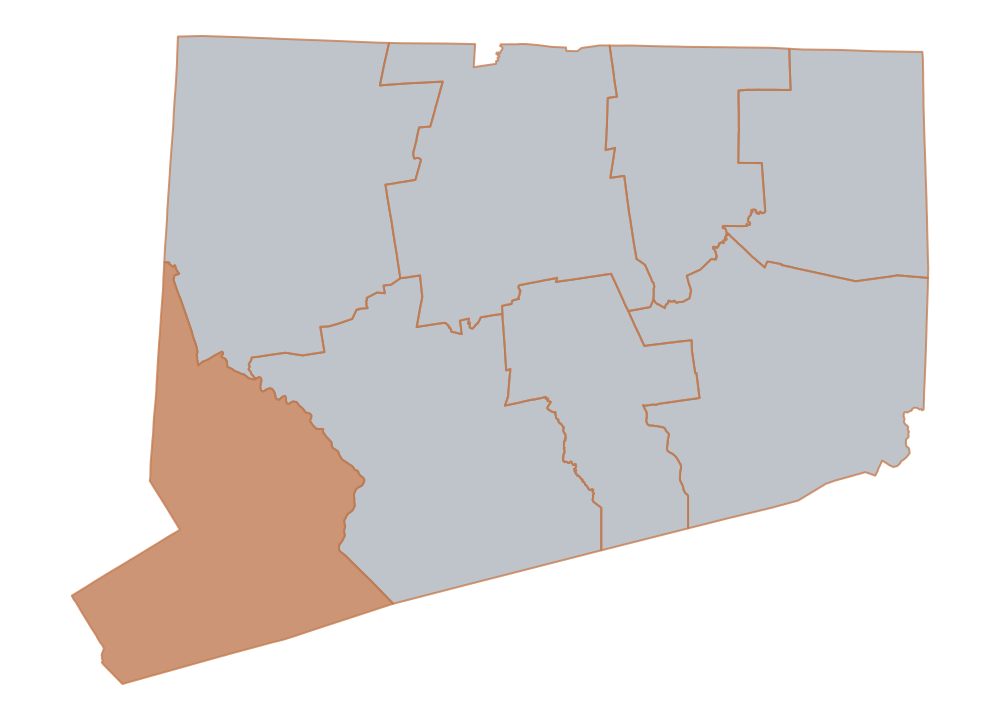
No. The map highlights Fairfield County within Connecticut to help you identify the service region. It does not mark a business office or guarantee availability at every address.
Your Property. Your Next Step.
Tell Primo where the project is located and what you are planning. The team reviews service-area fit together with the requested work, access and timing before confirming the appropriate next step.
Primo Carpentry LLC
57 North St Ste 403Monday–Friday: 08:00–18:00. Saturday and Sunday: closed.
Primo Carpentry LLC
200 Connecticut Ave 3rd FloorMonday–Friday: 08:00–18:00. Saturday and Sunday: closed.
Primo Carpentry LLC
177 W Putnam Ave 1st FloorMonday–Friday: 08:00–18:00. Saturday and Sunday: closed.